
TSRS Report / 2025
Aksa Enerji
Aksa Enerji’s second TSRS report, spanning Türkiye, Asia, and Africa
TSRS Reports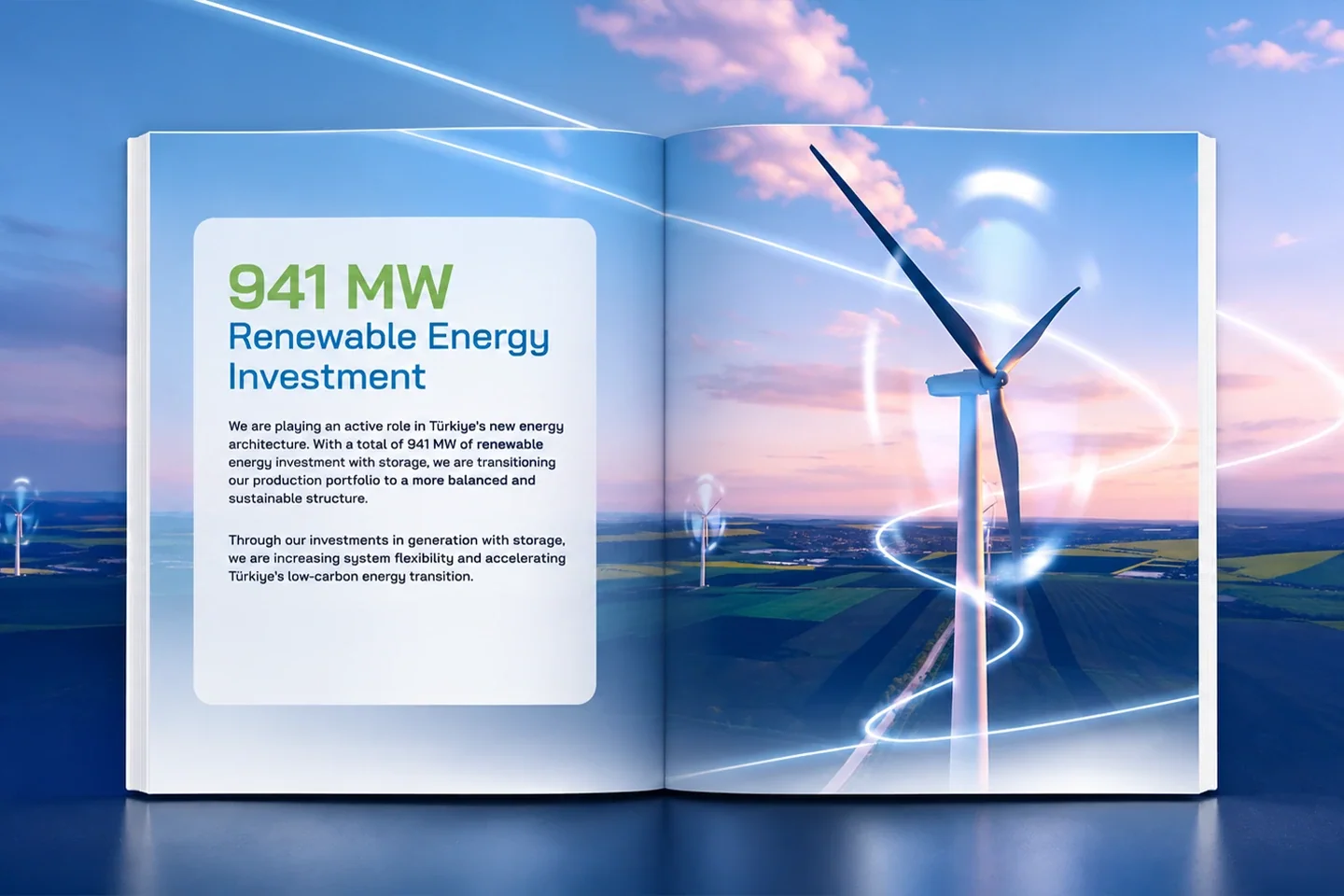
01
Challenge
Aksa Enerji’s climate agenda runs along two distinct tracks. Its predominantly fossil-fuel generation portfolio brings exposure to carbon-cost risks from Türkiye’s Emissions Trading System (ETS), which includes electricity generation and enters its pilot implementation period in 2026–2027, as well as physical risks relating to cooling-water supply at the Antalya and Bolu plants. At the same time, the company is pursuing transformation through 941 MW of wind and solar investments with storage, targeted for commissioning in 2026–2028. TSRS alignment required both directions to be explained through their financial effects; in the second year, comparison with 2024 was also expected. The report needed to make the financial implications of this agenda clear to investors.
02
Approach
Financial materiality was defined at four levels relative to consolidated EBITDA, with every risk and opportunity rated accordingly. Actual costs and investment amounts were disclosed in Turkish lira for each risk and opportunity. For example, approximately TRY 44.7 million was spent in 2025 on operating cooling-water systems at the Antalya and Bolu Göynük plants. Scenario analysis combined three NGFS transition scenarios with the IPCC’s RCP 4.5 and RCP 8.5 physical scenarios. The Orderly Transition scenario was designed to align with the Paris Agreement’s 1.5°C goal. The financial implications of physical risks were assessed alongside long-term capacity contracts in international operations, which account for approximately 85% of EBITDA, and insurance coverage for domestic plants. We built the transition-plan narrative around rehabilitation of existing plants, integration with hybrid technologies, and the 941 MW renewable energy portfolio.
03
Outcome
The report made Aksa Enerji’s transformation plan readable alongside investment amounts, and climate risks alongside actual costs. Risks were rated at the lowest impact level as of 2025, while transformation investment stood out as an opportunity. Approximately TRY 500 million was spent on the 941 MW portfolio in 2025, equivalent to 3.7% of EBITDA and classified as a medium-level impact. Environmental impact assessment processes had been completed for 13 of the portfolio’s 14 projects; generation or supply licenses had been obtained for four projects, and financing secured for three. In April 2025, the company signed a USD 80 million loan agreement with TSKB. The report also defined measurable targets, including Scope 1 emissions-intensity targets for 2030 and 2040. Achievement of sustainability and climate targets carried a weighting of 5%–35% in senior executives’ performance assessments.
Explore the related service
TSRS ReportMore projects
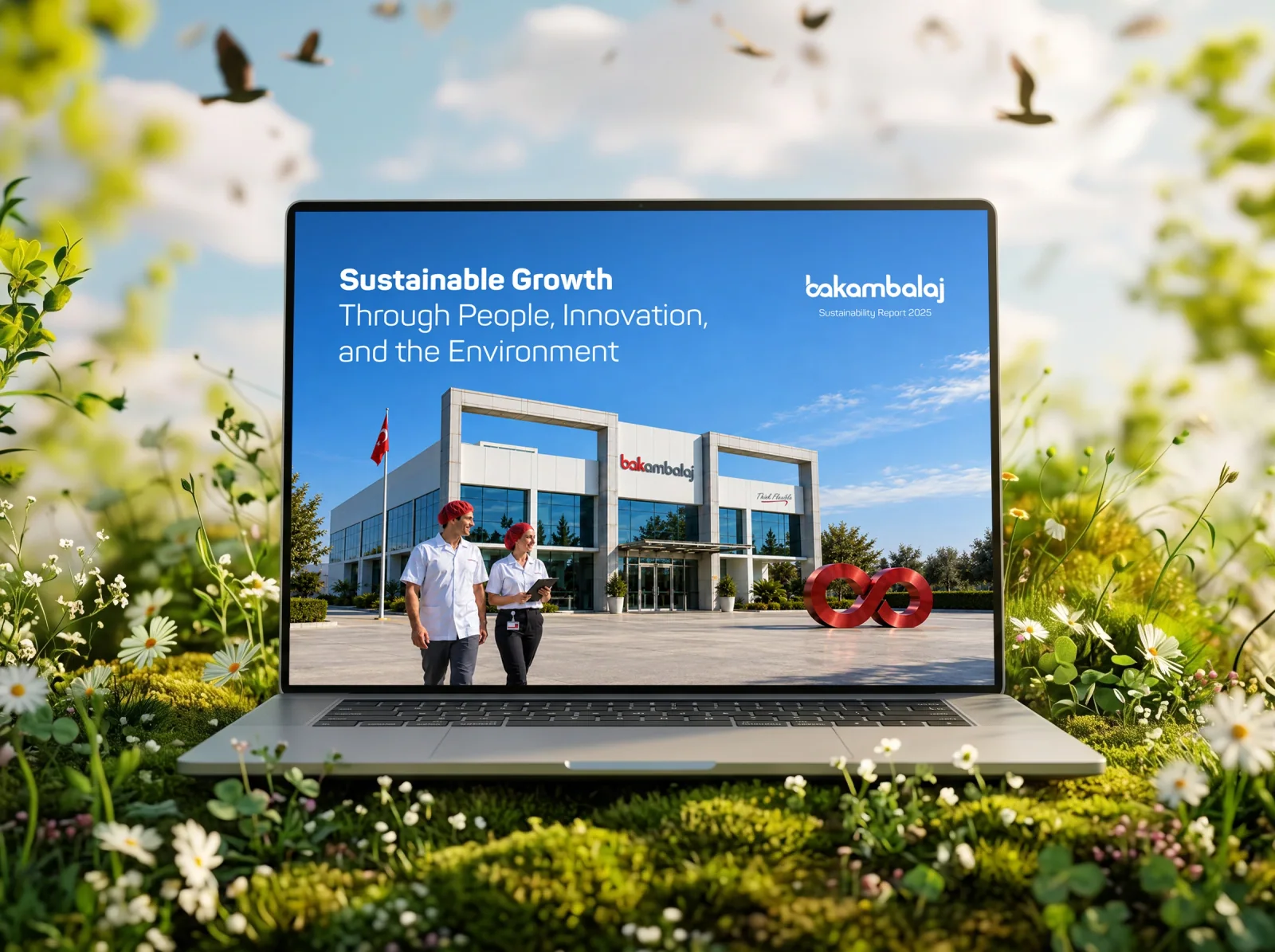
Bak Ambalaj
Bak Ambalaj’s second TSRS-aligned sustainability report
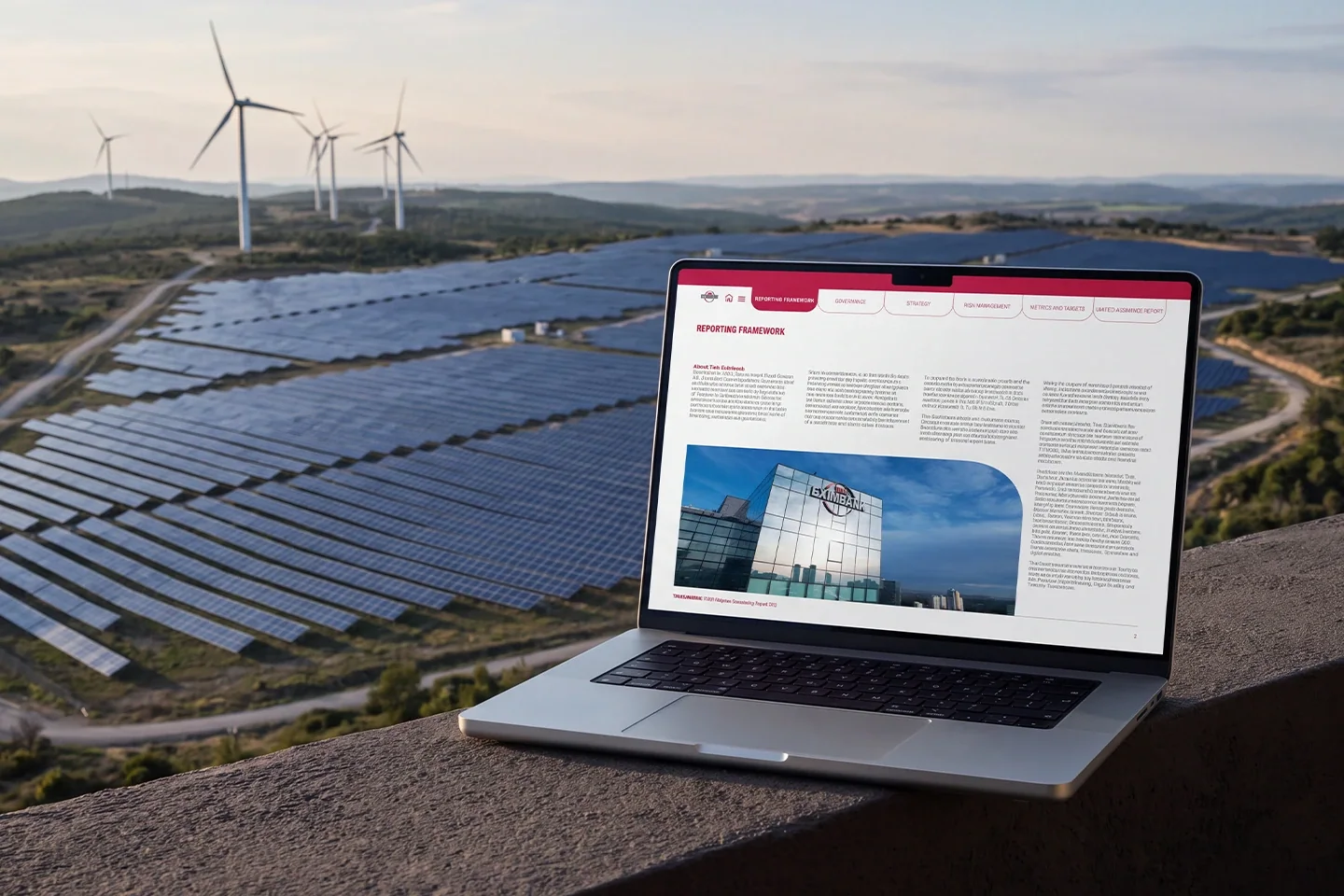
Türk Eximbank
TSRS reporting for Türkiye’s official export credit agency
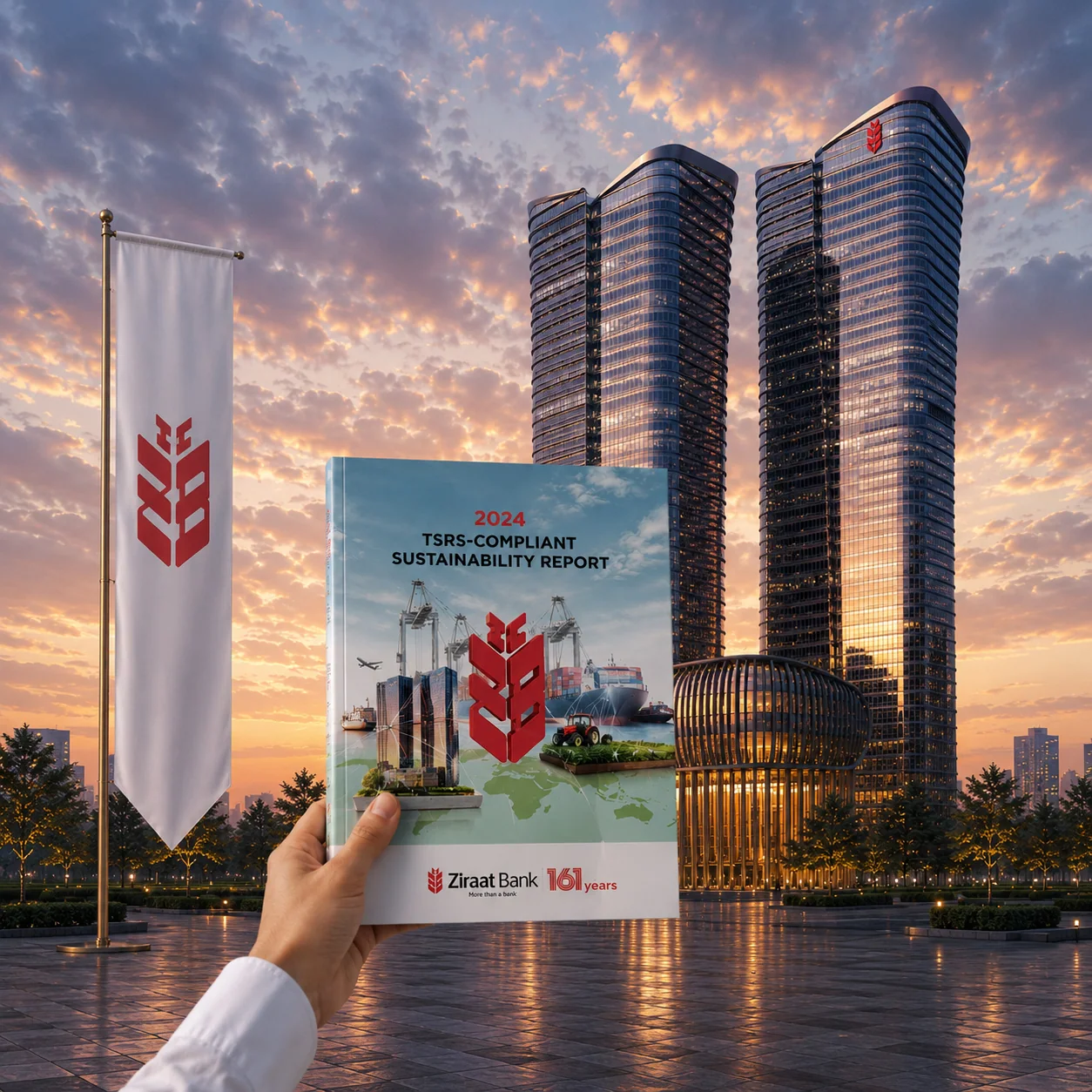
Ziraat Bankası
The first TSRS report for Türkiye’s largest bank
Klimasan
The first TSRS report for a leading Turkish commercial refrigeration manufacturer
Qua Granite
The first TSRS report for a leading Turkish technical granite exporter
BMS Çelik
The first TSRS report for Türkiye’s first steel mesh producer
Hareket
The first TSRS report for a leading Turkish heavy lift and project transport engineering company