Sustainability Report / 2025
Alarko Holding
A low-carbon sustainability report for Alarko
Sustainability Reports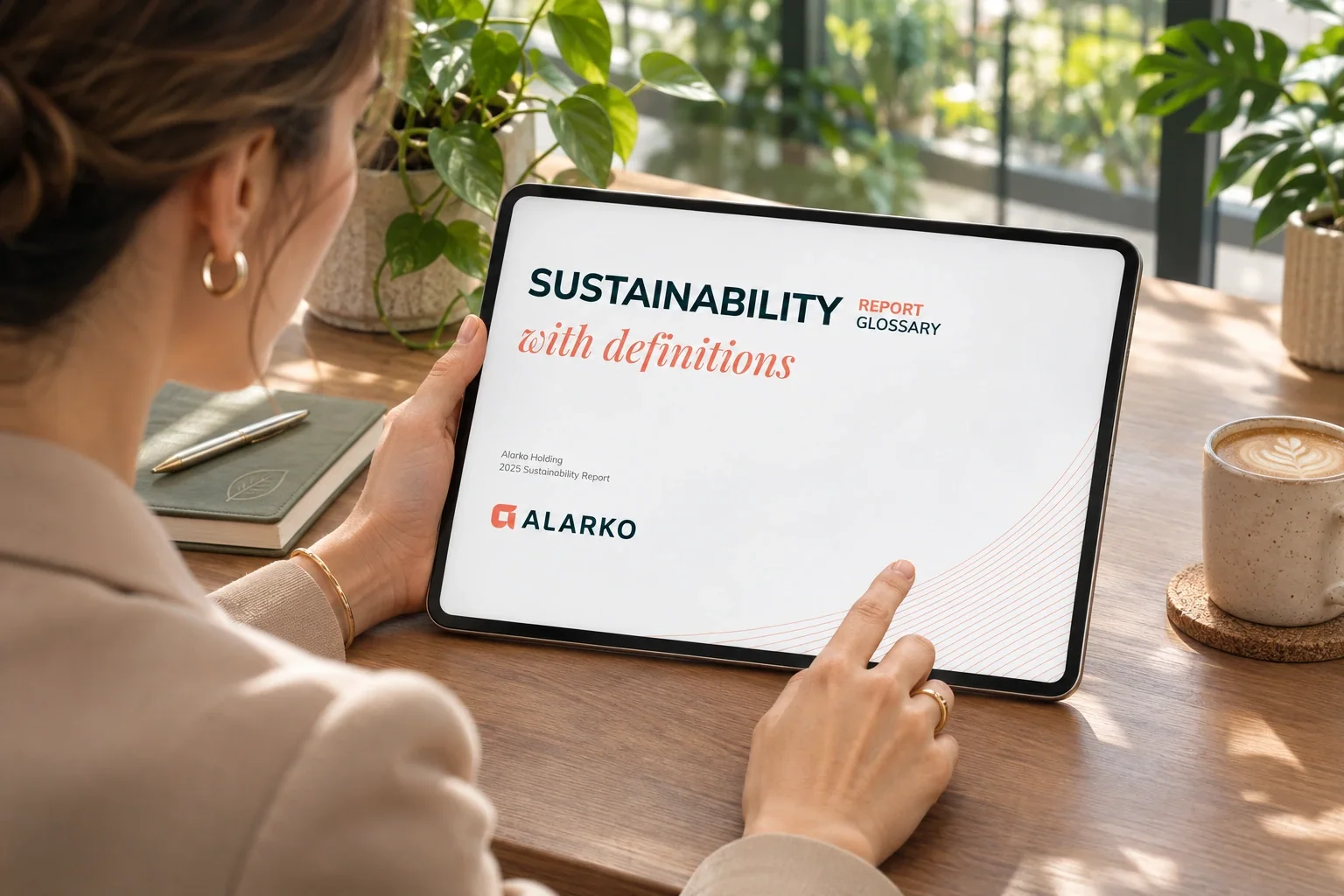
01
Challenge
For Alarko Holding, which brings together 49 companies across seven business areas—contracting, energy, industry and trade, tourism, land development, agriculture, and investment—a sustainability report needed to be more than a summary of one company’s performance. It had to unite the impact, risk, and opportunity profiles of different industries in a common management language and make the group-wide ‘Shared Impact’ approach demonstrable. The regulatory environment increased this need. Following the Climate Law, the framework for Türkiye’s Emissions Trading System was taking shape; carbon pricing was becoming a strategic issue for direct costs and market access, and environmental performance was increasingly a measure of competitiveness alongside reporting obligations and export conditions. Alarko aimed to conduct its first ESRS-aligned double materiality assessment in the 2025 period. It viewed sustainability reporting as a strategic tool for both governance and competitiveness. The report’s format needed to reflect the same thinking by preserving and advancing Alarko’s established low-carbon design approach.
02
Approach
We led the process as an end-to-end advisory engagement, bringing the holding’s companies across different industries into one reporting architecture. We designed the double materiality assessment around a common methodology while preserving differences in each company’s operating structure. The findings were linked to the holding’s strategic priorities. Each of six priority topics was reflected in report sections through relevant policies, targets, and performance data. We built the content architecture around the GRI Standards while incorporating WEF Stakeholder Capitalism Metrics, UNGC, WEPs, TCFD, the UN Sustainable Development Goals, and environmental, social, and governance metrics from the BIST Sustainability Index. The result brought the holding’s alignment with international frameworks into a single reference document.
03
Design
We developed Alarko’s low-carbon approach as a design principle. Deliberate simplicity informed a limited color palette, a single icon language, straightforward typography, concise text, and a small file size. Brief definitions of key concepts appeared at the end of each section, with a comprehensive Sustainability Glossary at the end of the report. This made the report accessible to readers new to the subject as well as specialists.
04
Outcome
The result was a clear, low-carbon report that brought the group’s sustainability strategy, double materiality findings, and performance into one framework. Six of the 12 topics assessed were identified as priorities, and the report was structured around them: Climate Change and Carbon Management; Water Management; Investment in People; Creating Value for Society; Cybersecurity and Data Security; and Business Continuity and Risk Management. Scope 1, Scope 2, and biogenic emissions data were covered by independent limited assurance. The report explains Alarko’s progress toward its 2050 Net Zero Emissions target and the development of sustainability governance across the group in clear, verifiable terms.
Explore the related service
Sustainability ReportMore projects
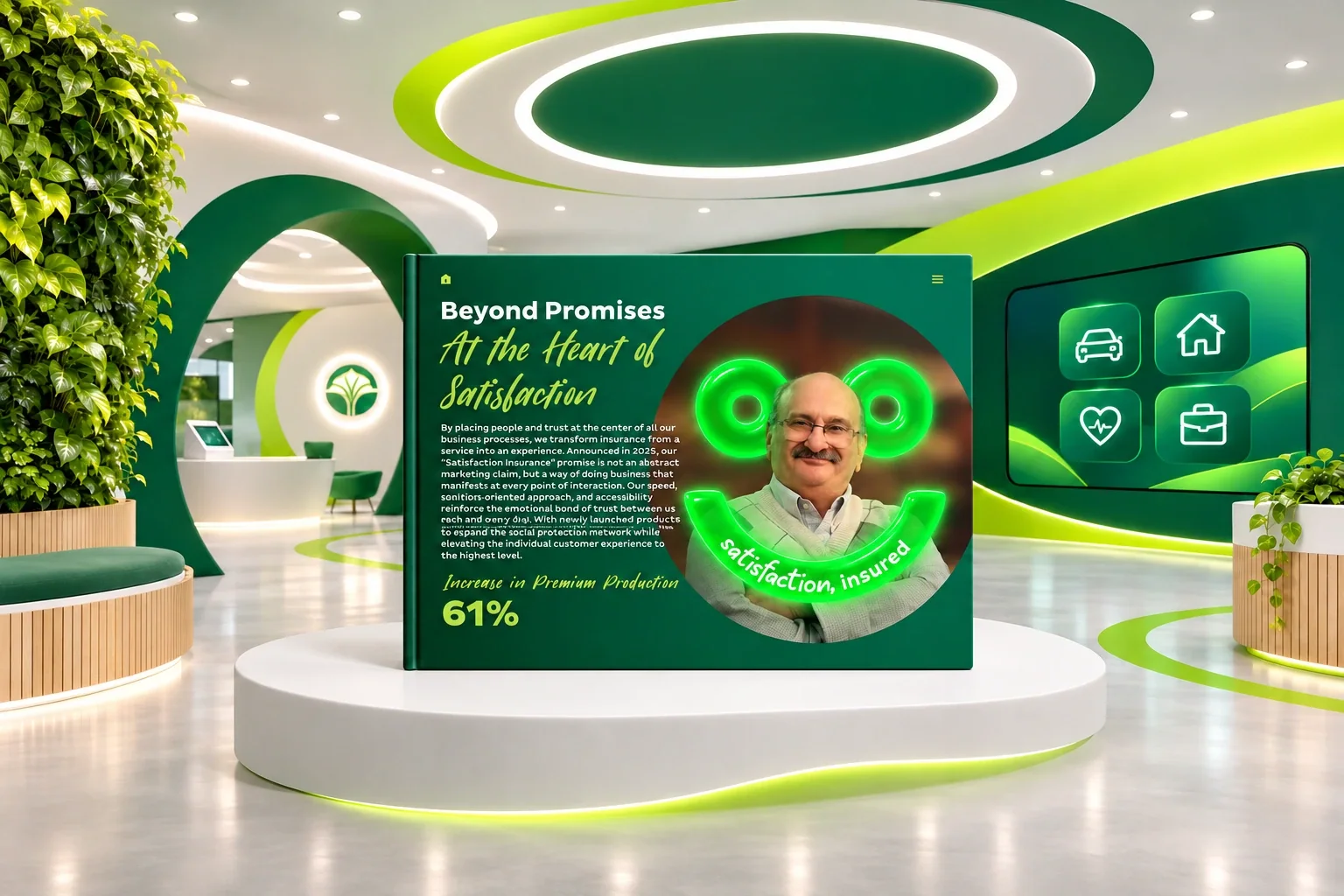
Neova Sigorta
The second sustainability report for Türkiye’s first participation insurer
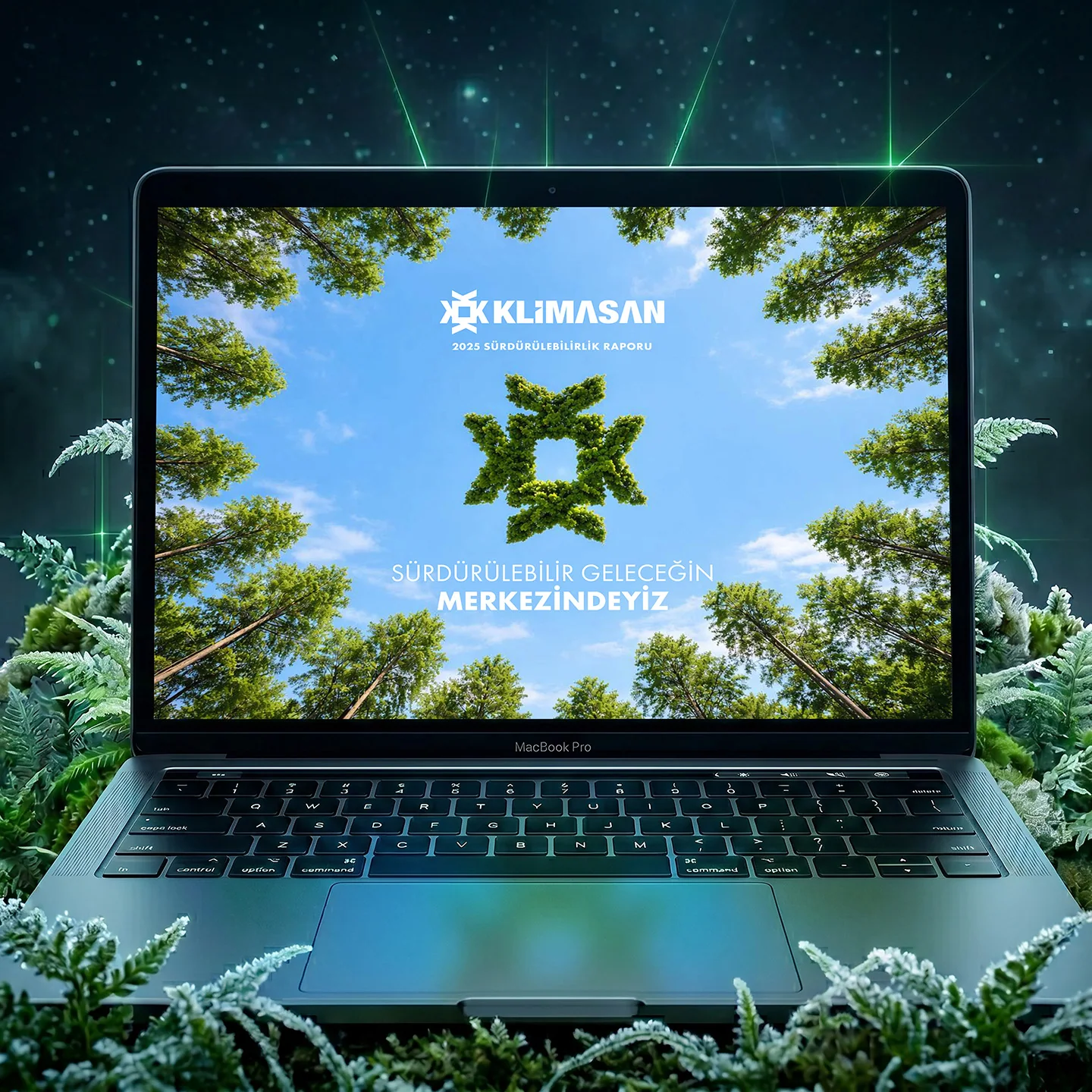
Klimasan
Klimasan’s sixth sustainability report, built on a long-term collaboration
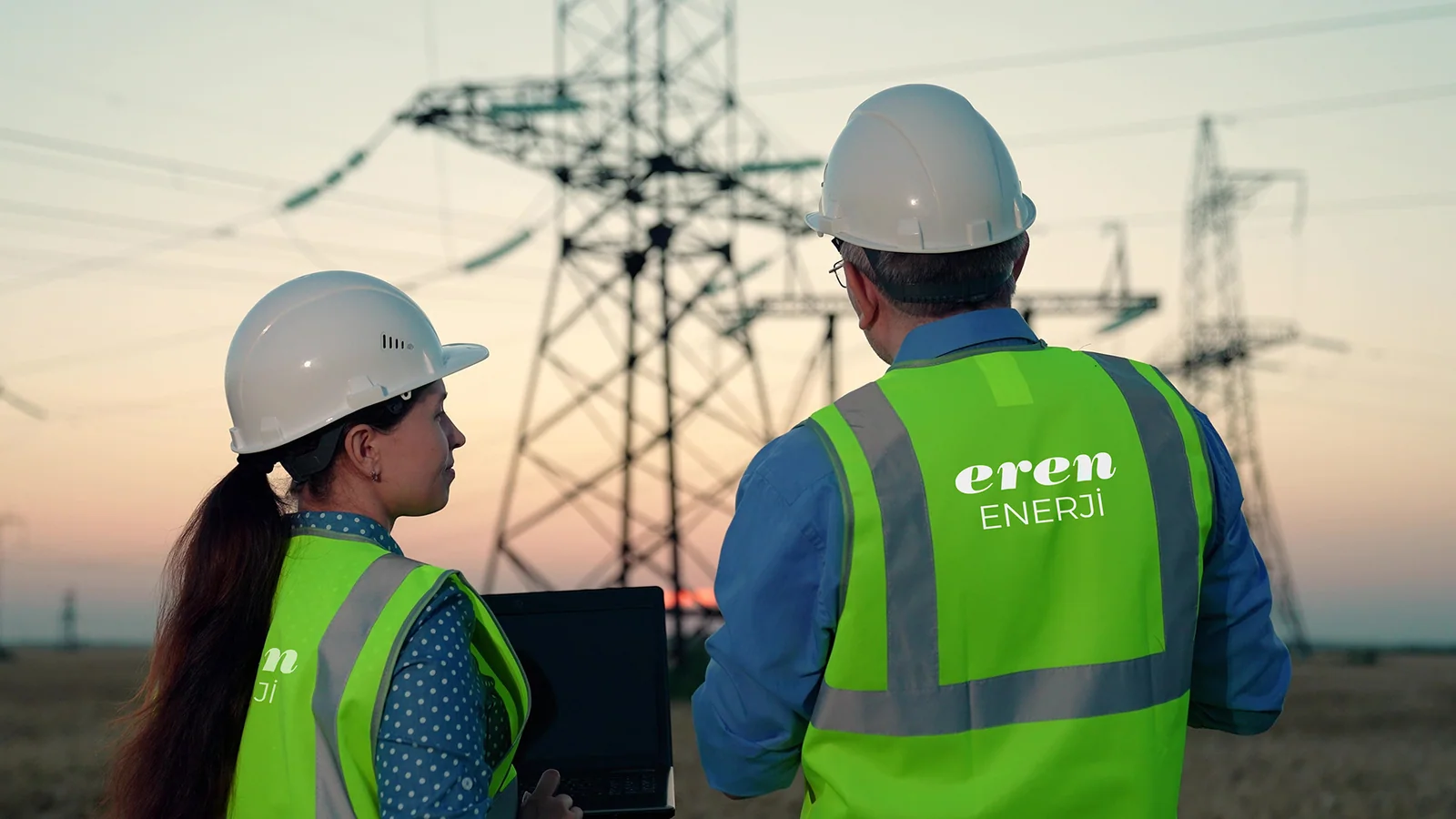
Eren Enerji
International-standard sustainability reporting for Türkiye’s largest private electricity producer
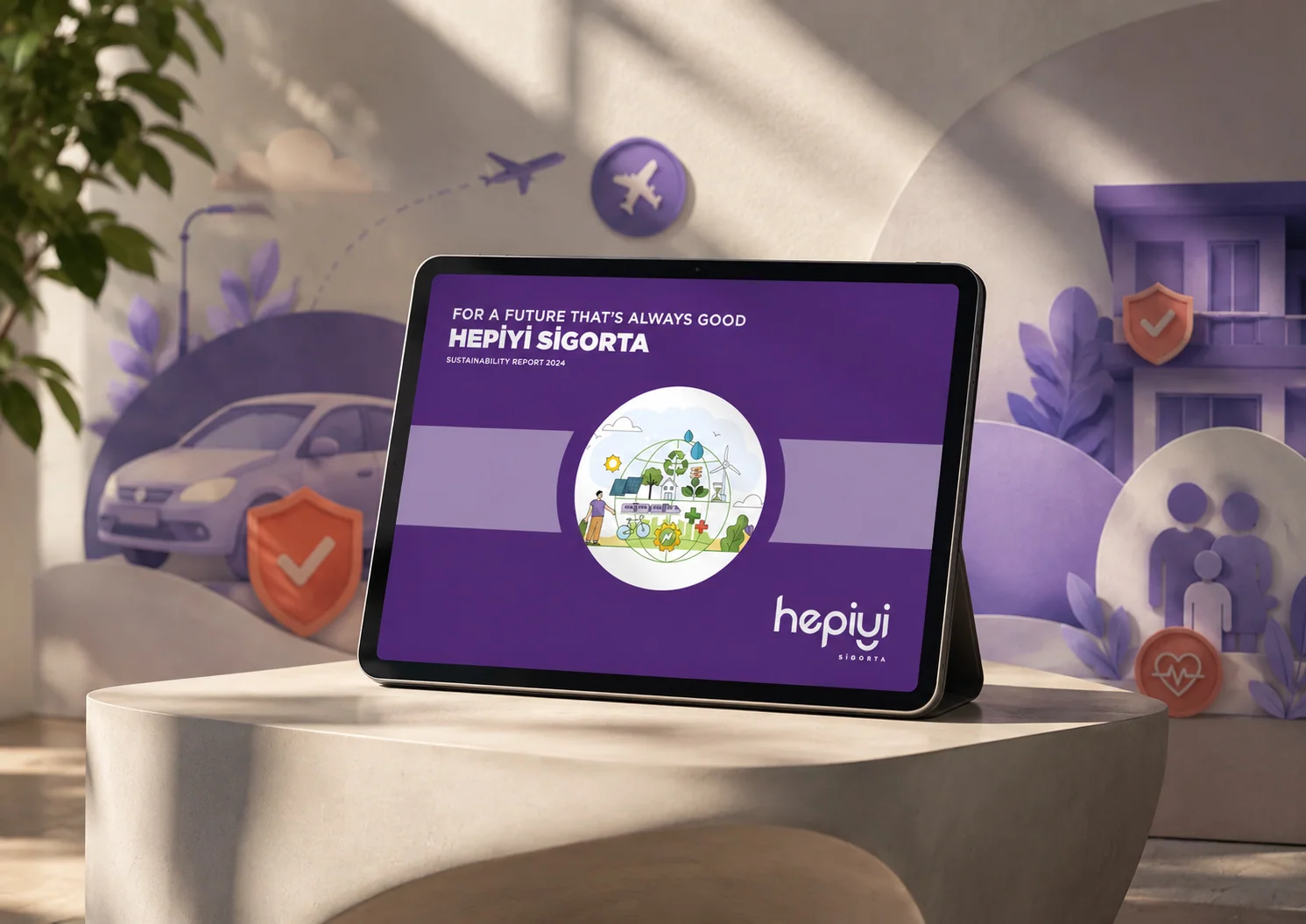
Hepiyi Sigorta
The first sustainability report for Doğan Holding’s digital insurance business
Uğur Soğutma
Comprehensive reporting across multiple frameworks for an established appliance manufacturer
Korteks
Sustainability reporting for one of Europe’s largest integrated polyester yarn producers
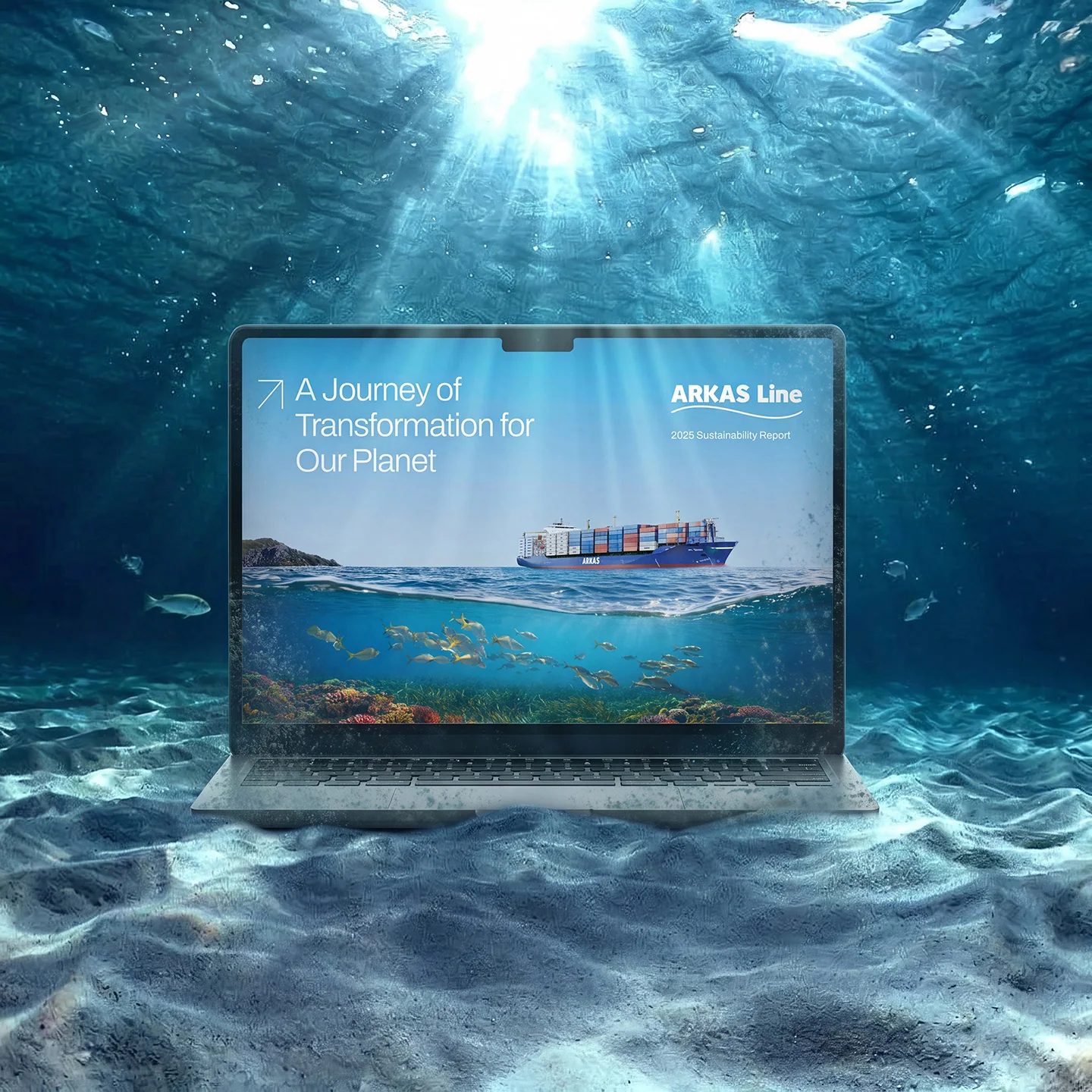
Arkas Line
A sustainability report for Türkiye’s largest container fleet