Integrated Annual Report / 2025
Anadolu Vakfı
The Anadolu Foundation’s first integrated annual report measures the social value of its investments
Integrated Annual Reports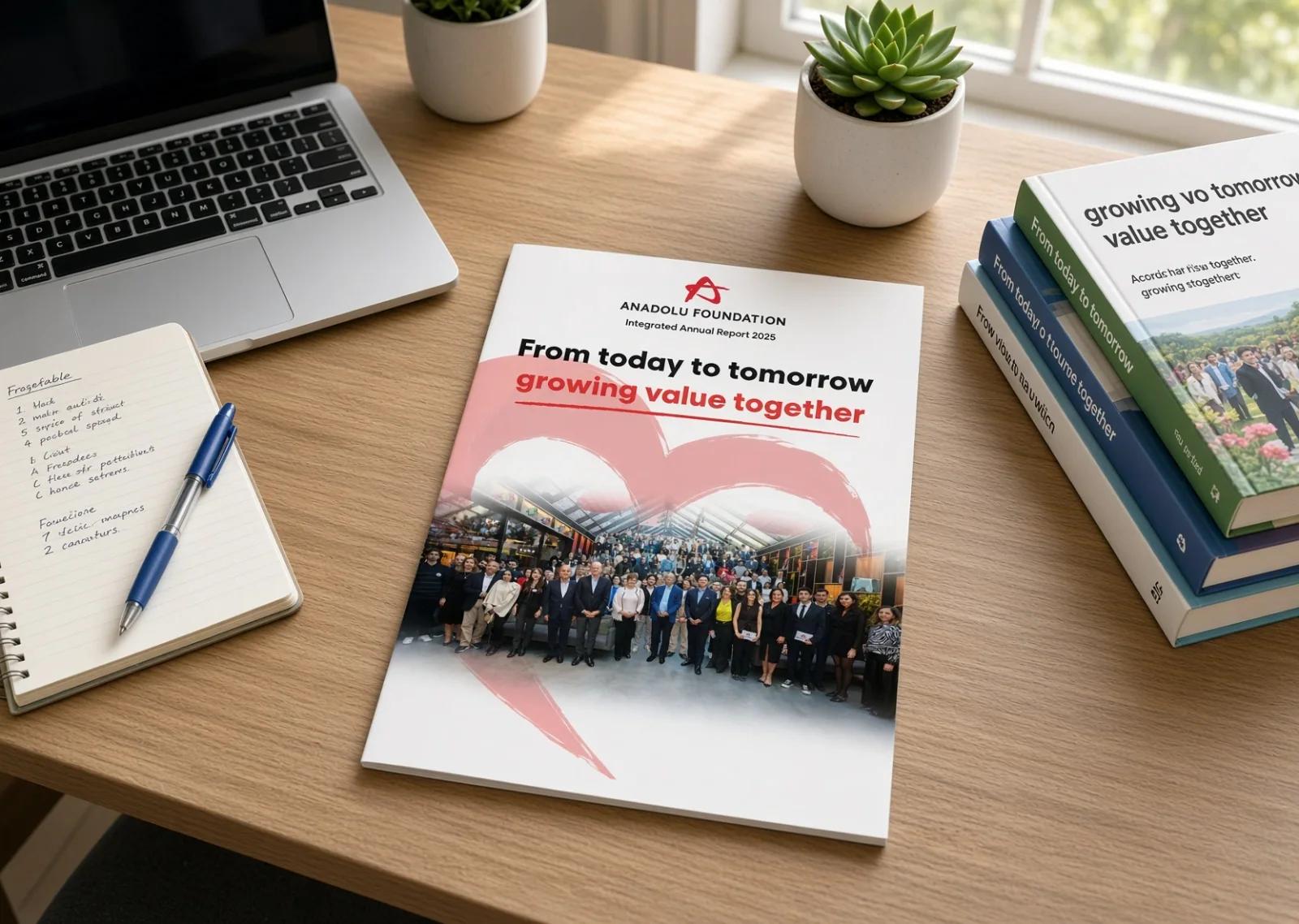
01
Challenge
For 46 years, the Anadolu Foundation has worked in education and health, creating more than 50 lasting facilities and providing scholarships to over 30,000 young people. Its programs expanded in 2025. Scholarships were redesigned under the NOVA Development Program, incorporating internships, mentoring, English language learning, and digital skills training. Scholarship applications rose from 155,000 to 241,000. The ‘Değerli Öğretmenim Eğitimin Yıldızları’ program selected 26 projects from approximately 9,000 applications, while on-site healthcare services and the Nurse Development Program continued. As activities diversified, the Foundation needed to show donors, volunteers, partners, and the public how those activities were managed and translated into social impact. Its first Integrated Annual Report was therefore structured as a narrative from resources to results, rather than a list of activities.
02
Approach
We structured the report to follow the resources. The Value Creation Model expressed the Foundation’s approach as the conversion of financial capital into human capital, and human capital into social capital and long-term social benefit. We connected this flow through the six capitals and six operations to outputs, value created, and contributions to the Sustainable Development Goals: scholarships and NOVA; educator and social entrepreneurship support; healthcare and social services; resource development; volunteer networks; and digital transformation. The value chain moved from inputs to operations and then to a three-layer impact model: tangible outputs; outcomes and change; and systemic and social impact. The Foundation undertook its first comprehensive material topic assessment, evaluating ten strategic topics against criteria including social impact potential and alignment with its focus areas. A matrix presented their importance to stakeholders and the Foundation.
03
Outcome
The report explained the Foundation’s impact through both activity figures and the social value generated by investment. An independent social return on investment analysis found that each unit invested in education created 2.1 units of social value; the healthcare analysis indicated four units of social value for each unit invested. Demand and potential reach were also visible: scholarship applications increased from 155,000 to 241,000, and the selected education projects had the potential to reach 4.3 million students. The strategic contribution lay in embedding measurement in the organization. Renewed digital infrastructure enabled more systematic monitoring and reporting of education, health, and volunteering activities. On funding, a diversified model of individual donations and named scholarship funds was being developed alongside Anadolu Group support. The Foundation aims to deepen impact measurement, diversify its social investment portfolio, expand partnerships, and share its value model with wider ecosystems.
Explore the related service
Integrated Annual ReportMore projects
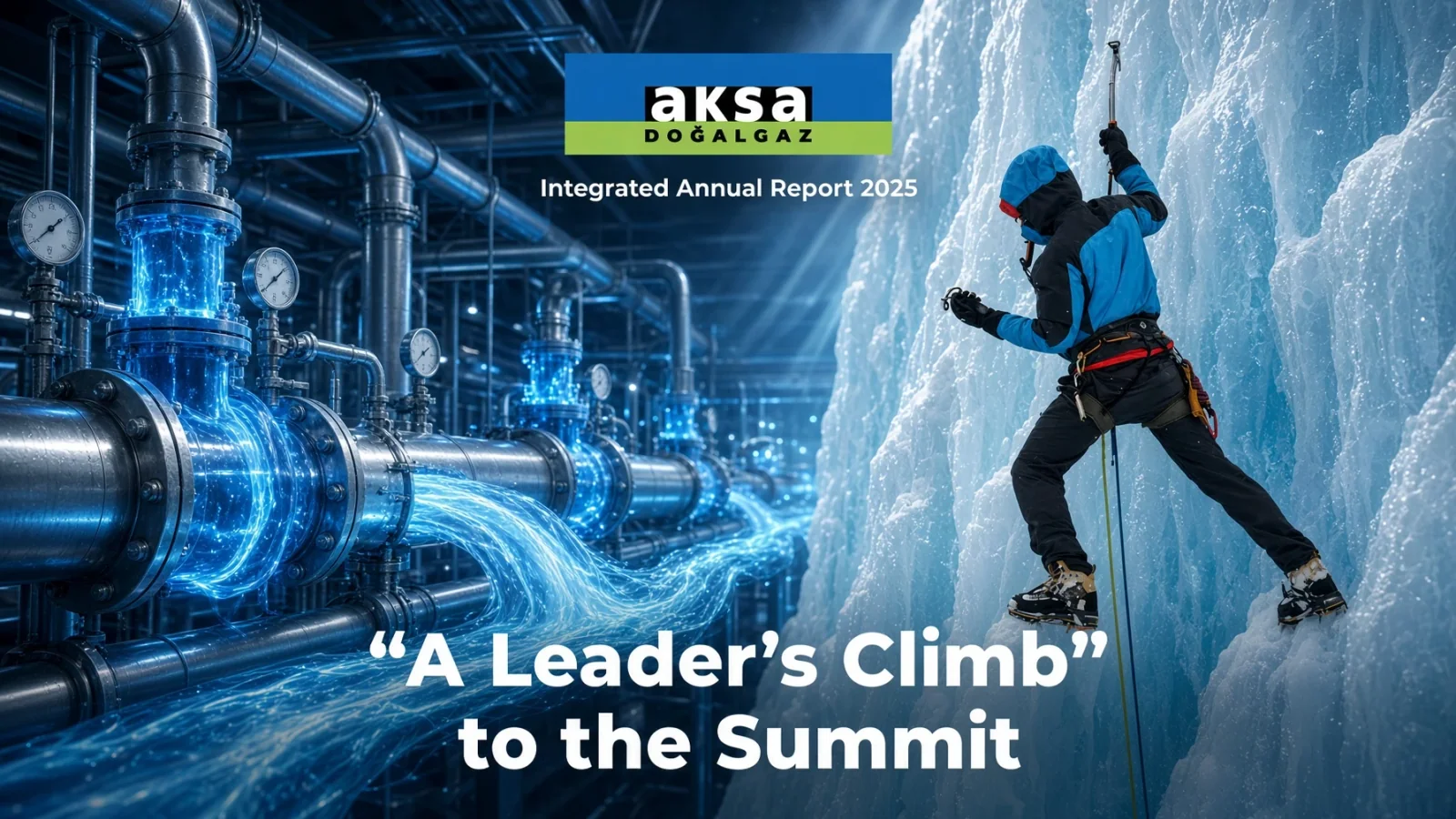
Aksa Doğalgaz
Aksa Doğalgaz’s first integrated annual report, built around a climb to the summit
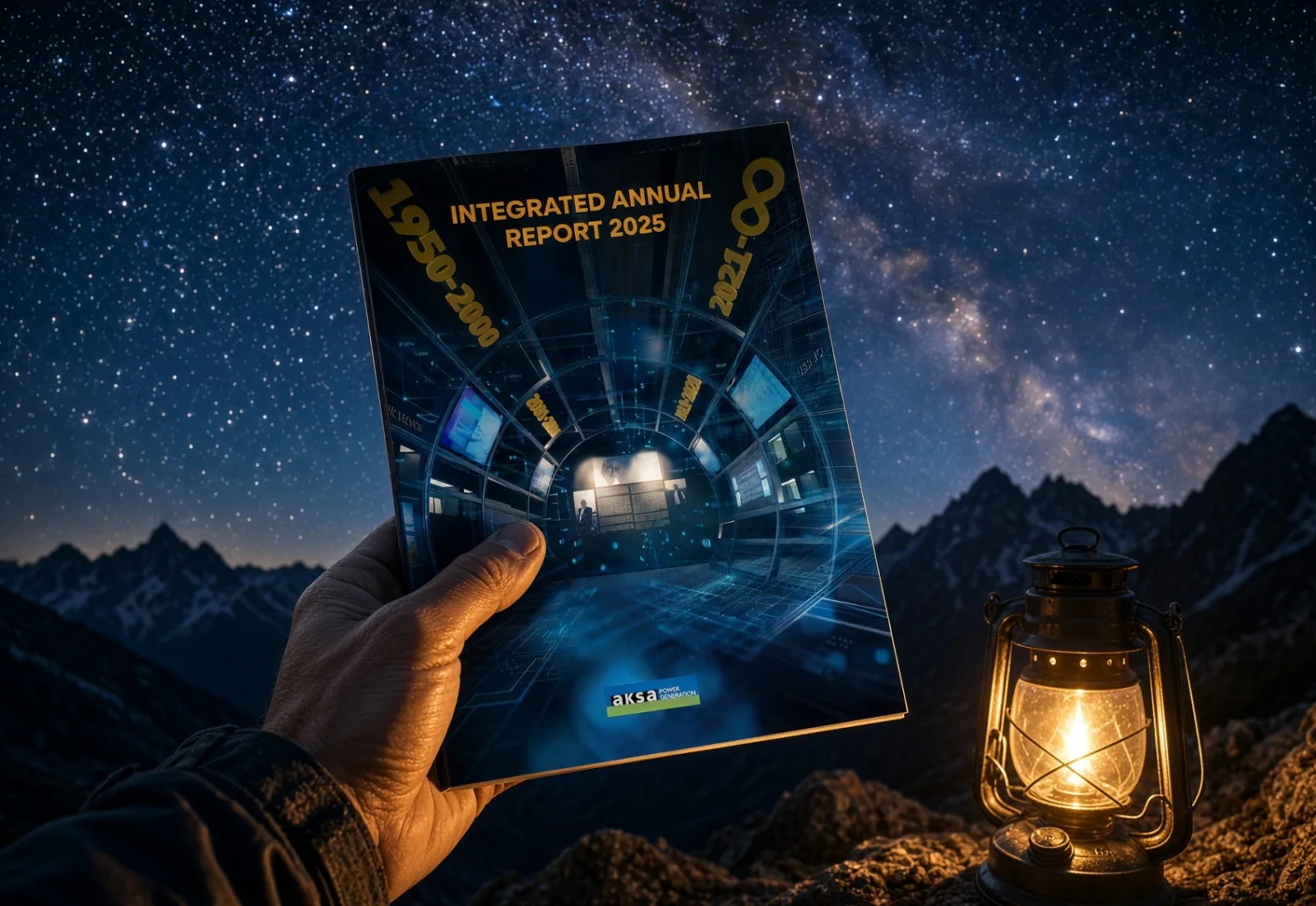
Aksa Jeneratör
Continuous transformation for uninterrupted lives: Aksa Jeneratör’s first integrated annual report
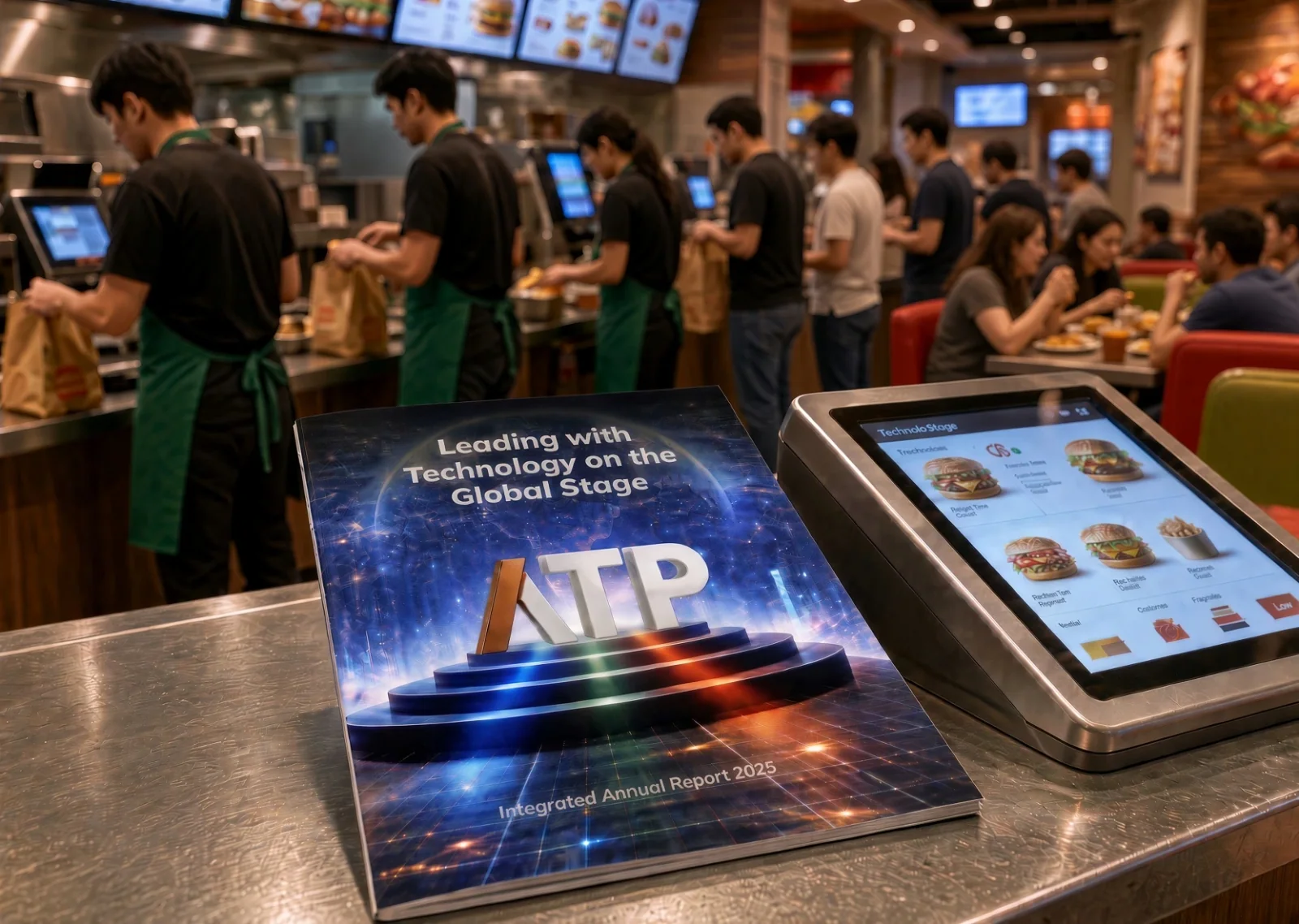
ATP
ATP’s first integrated annual report sets the stage for its global technology ambitions

QNB Sigorta
QNB Sigorta’s first integrated annual report brings everyday protection into focus
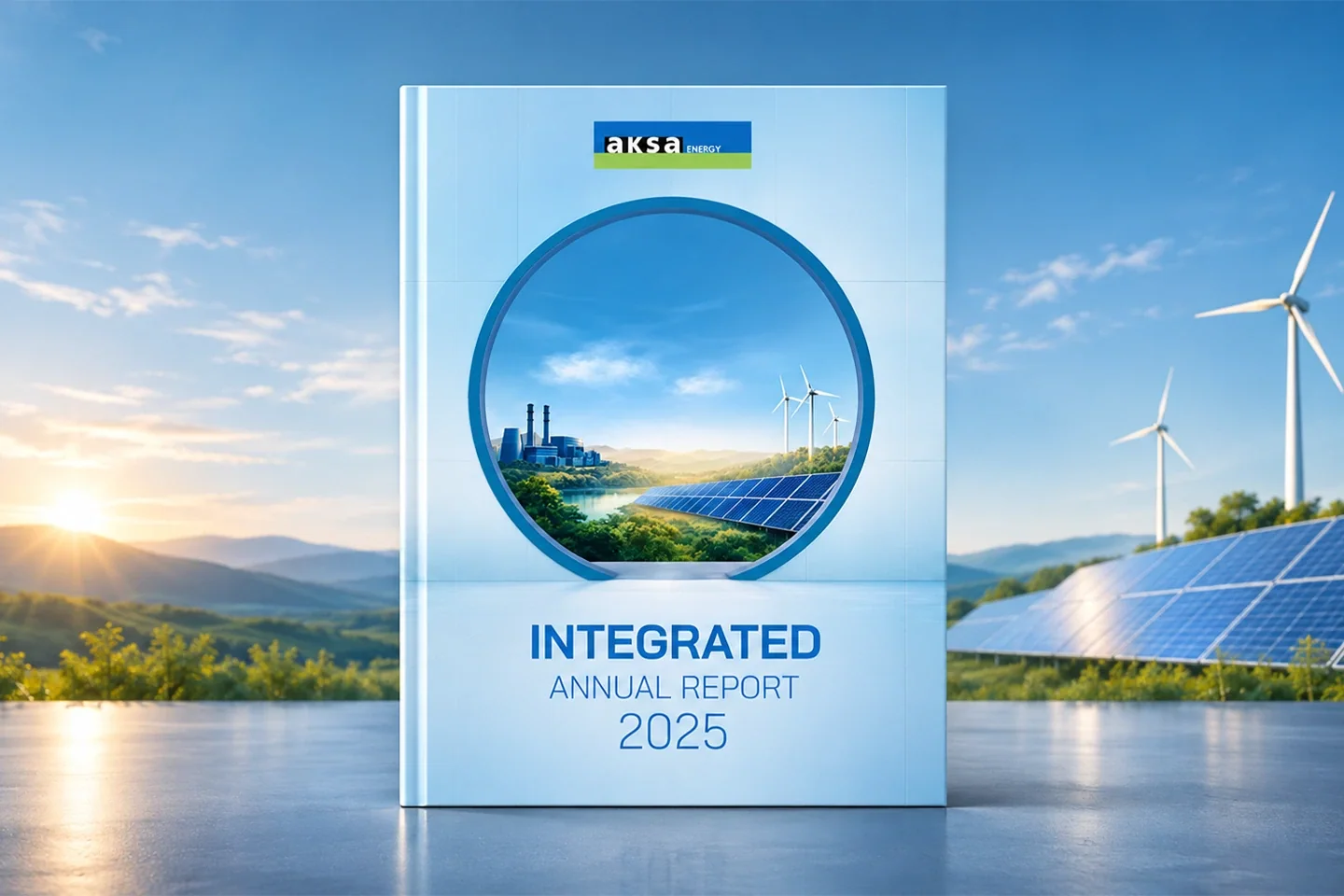
Aksa Enerji
Aksa Enerji’s first integrated annual report charts its path toward global energy leadership
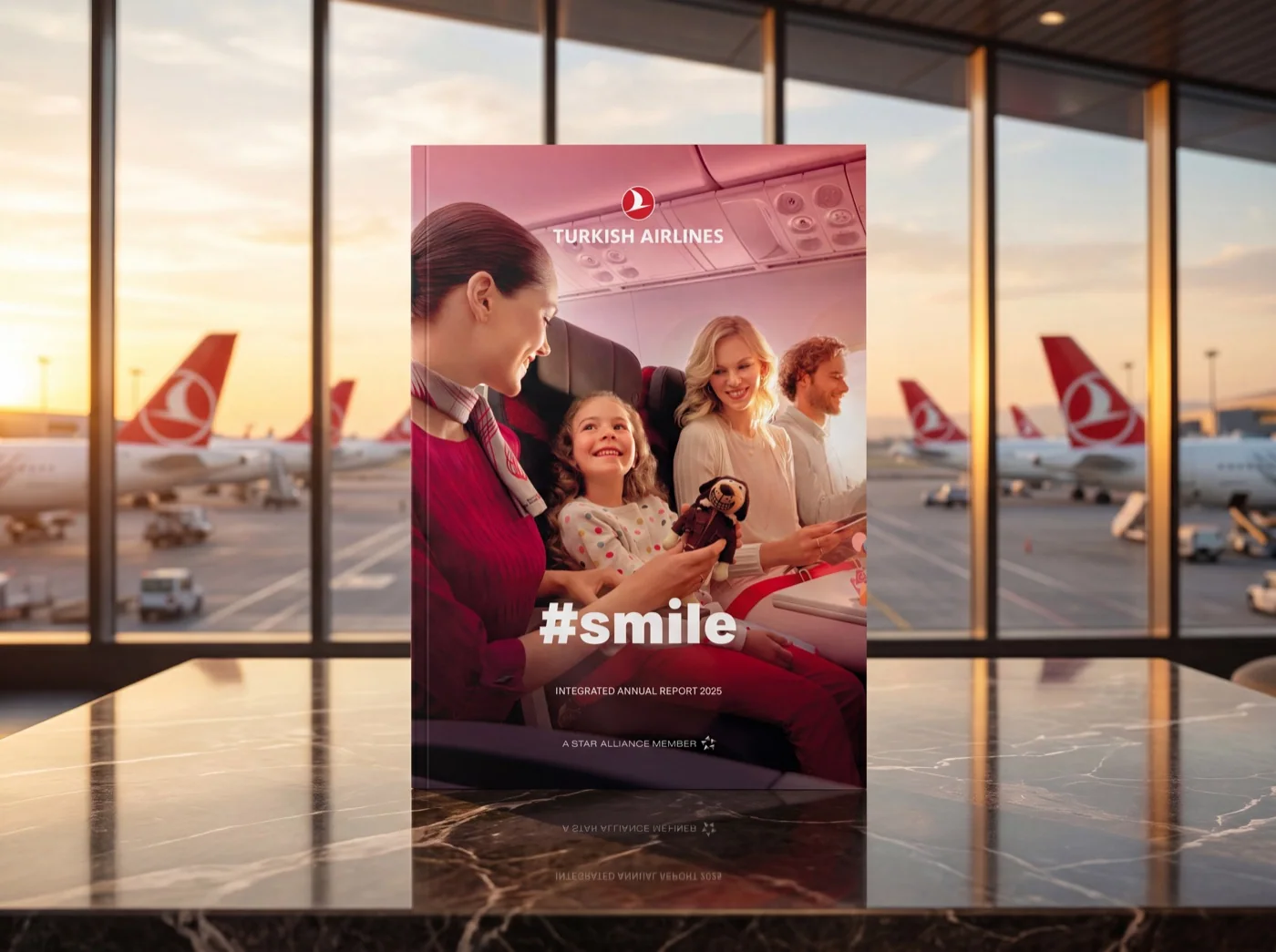
Turkish Airlines
The first integrated annual report for Türkiye’s most valuable brand
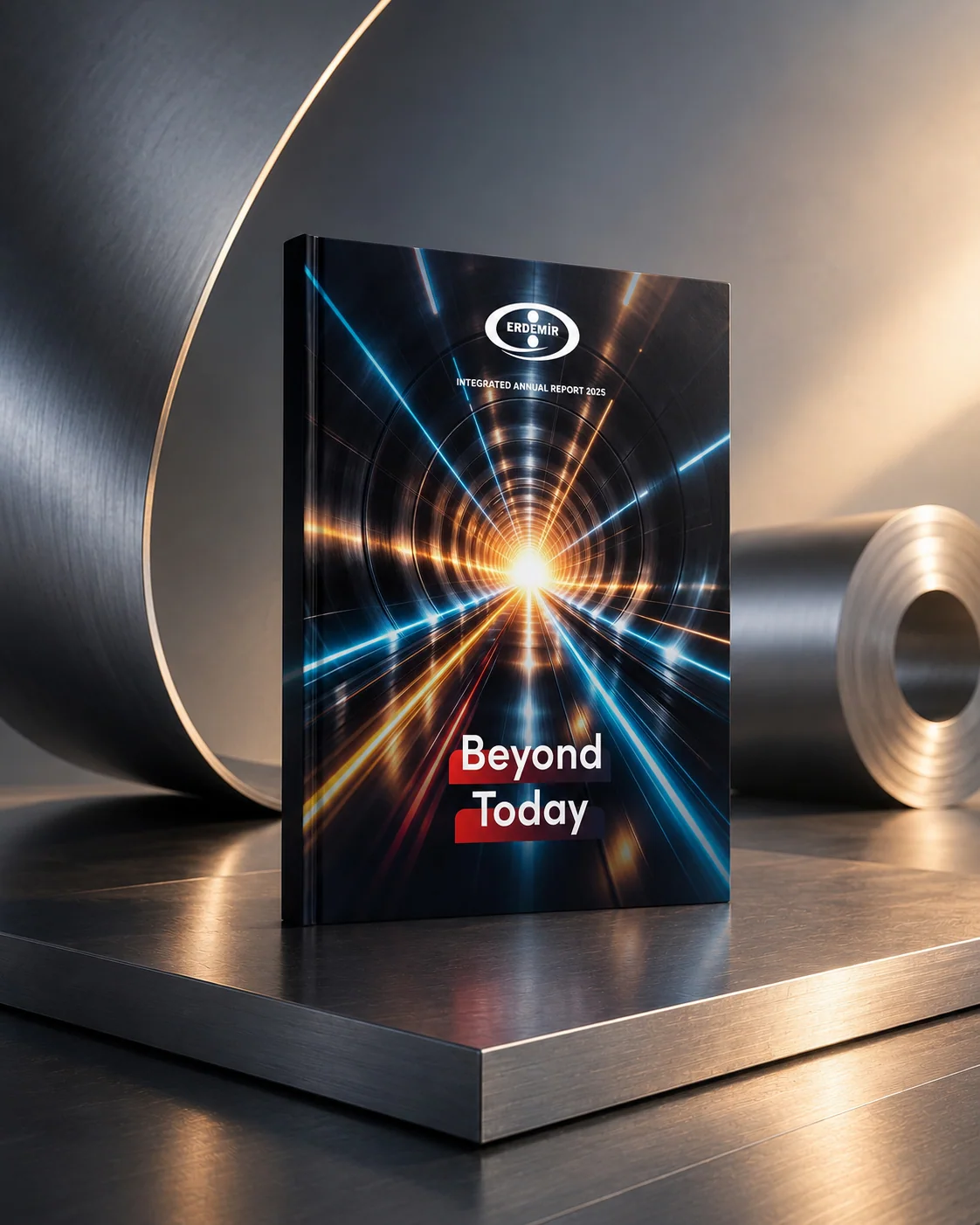
Erdemir
An integrated report for a longstanding Turkish steel producer with more than 60 years of history